
Persistent leg swelling?
Don't worry, there's hope here.
Persistent leg swelling is not something you have to live with. The specialists at The Vein Company can help diagnose the underlying cause and guide you toward effective relief.
Free consultation · Most insurance accepted · 8 locations
Real Results from Real Patients
Photos shown with written patient consent. Individual results may vary.
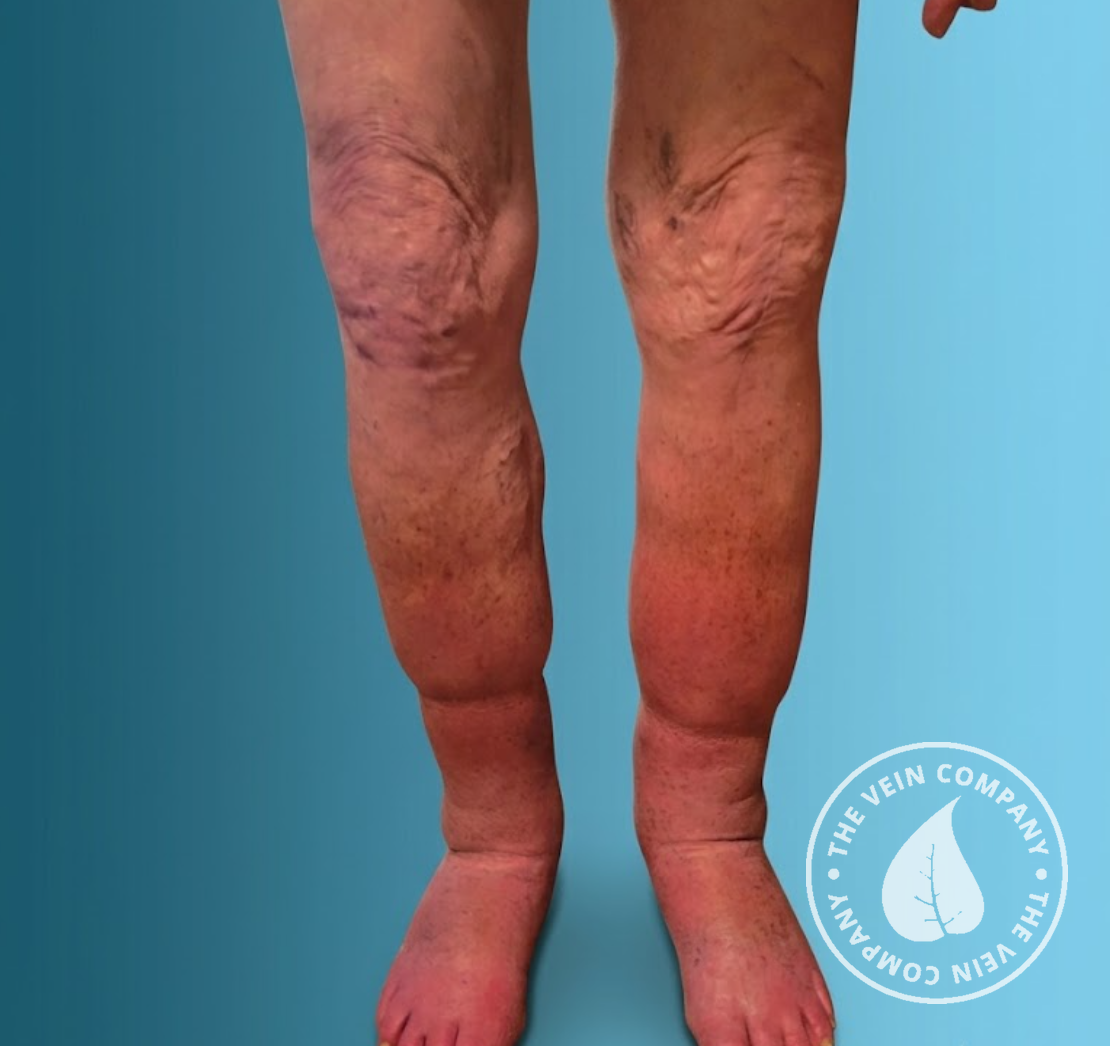
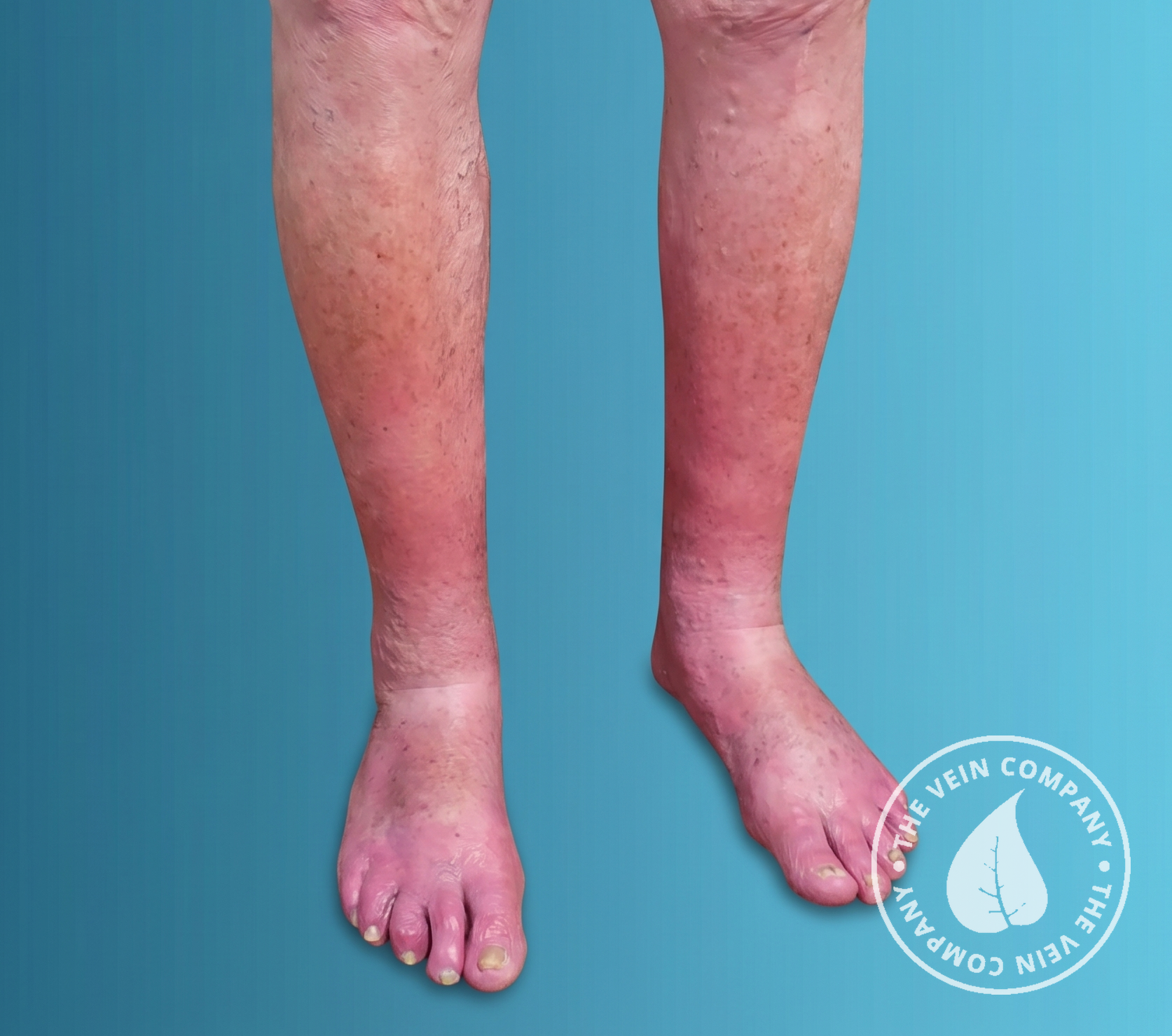
Patient A results with The Vein Company
Contains clinical photography · click image to expand
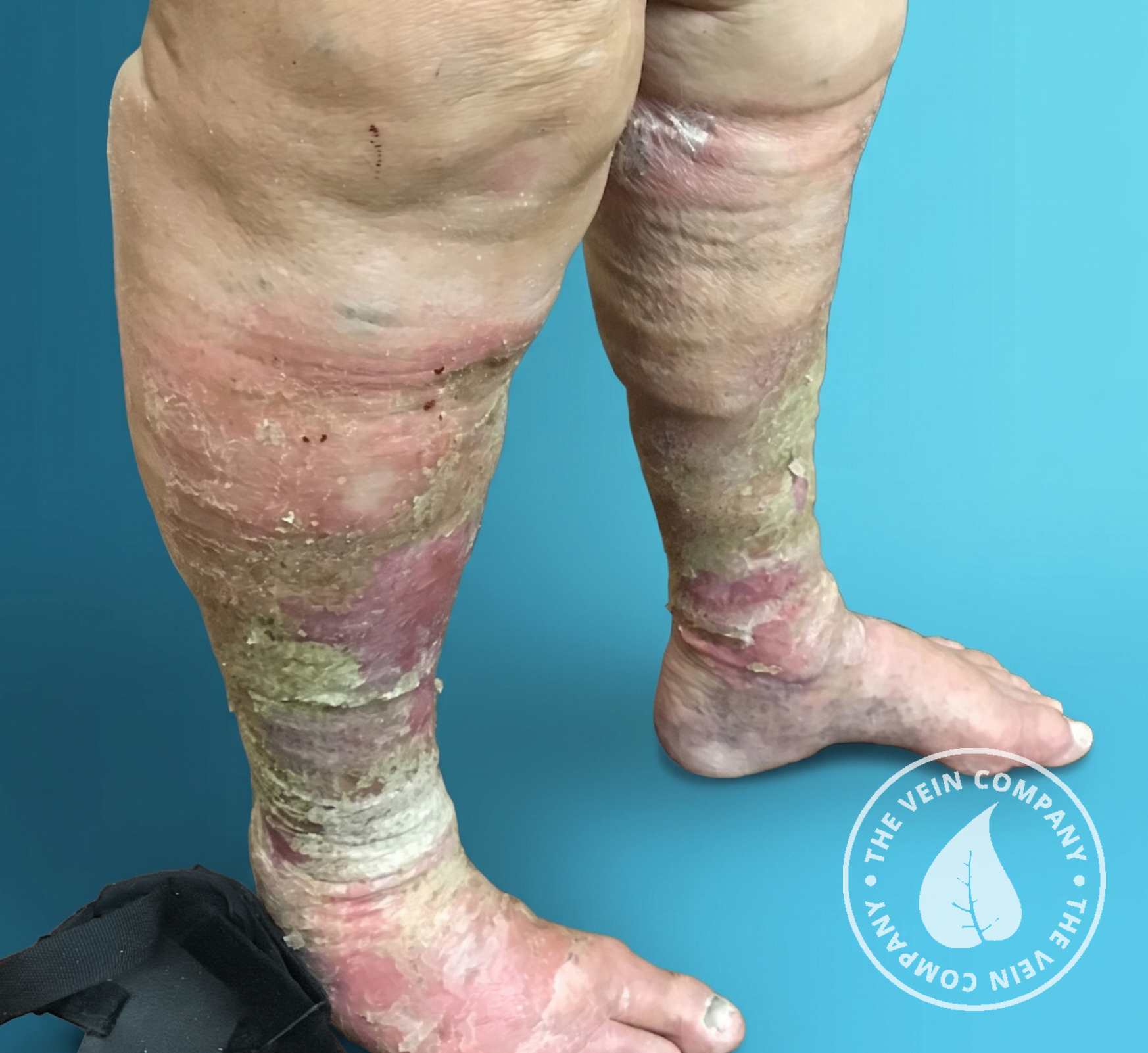
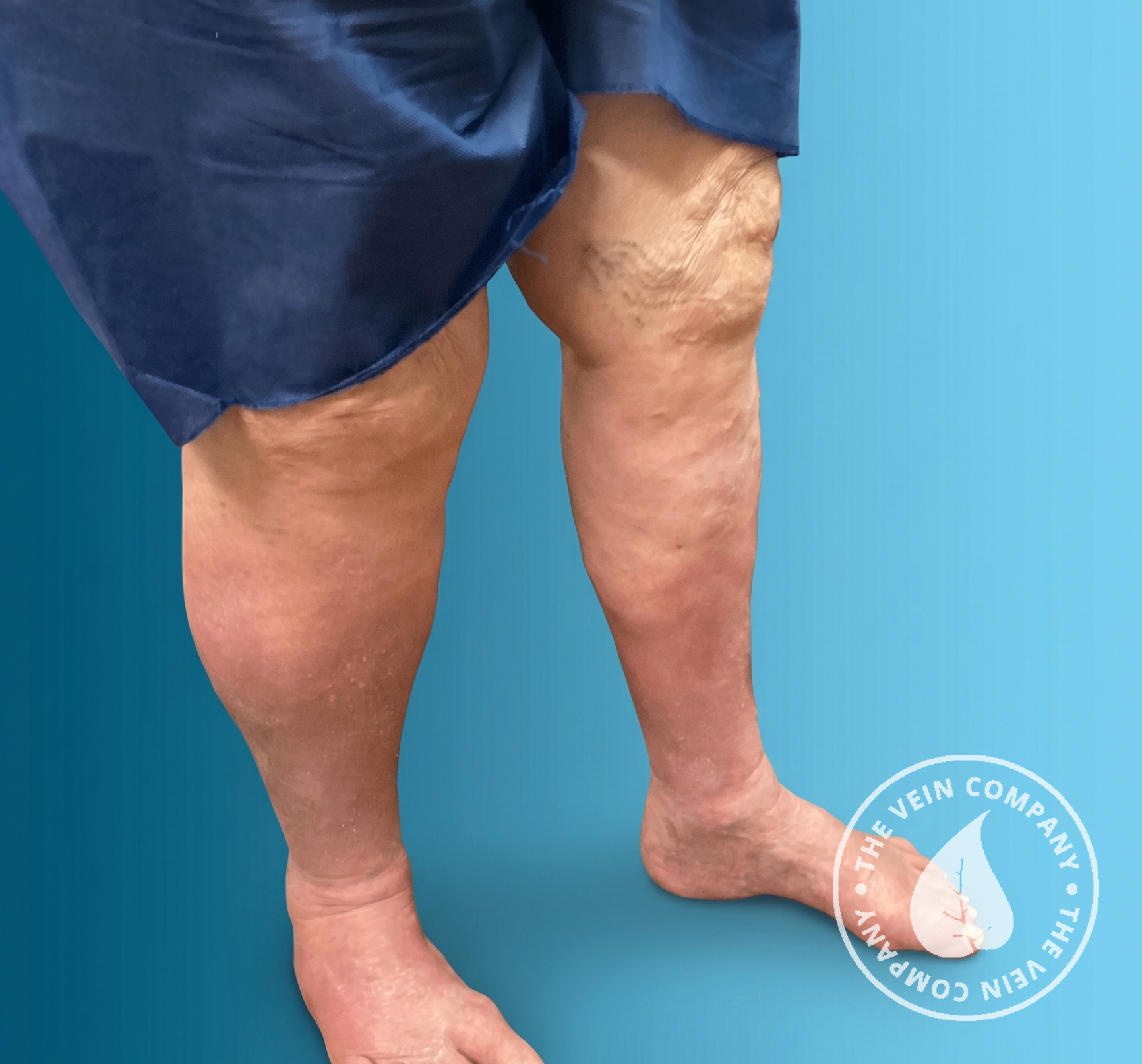
Patient B results with The Vein Company
Contains clinical photography · click image to expand
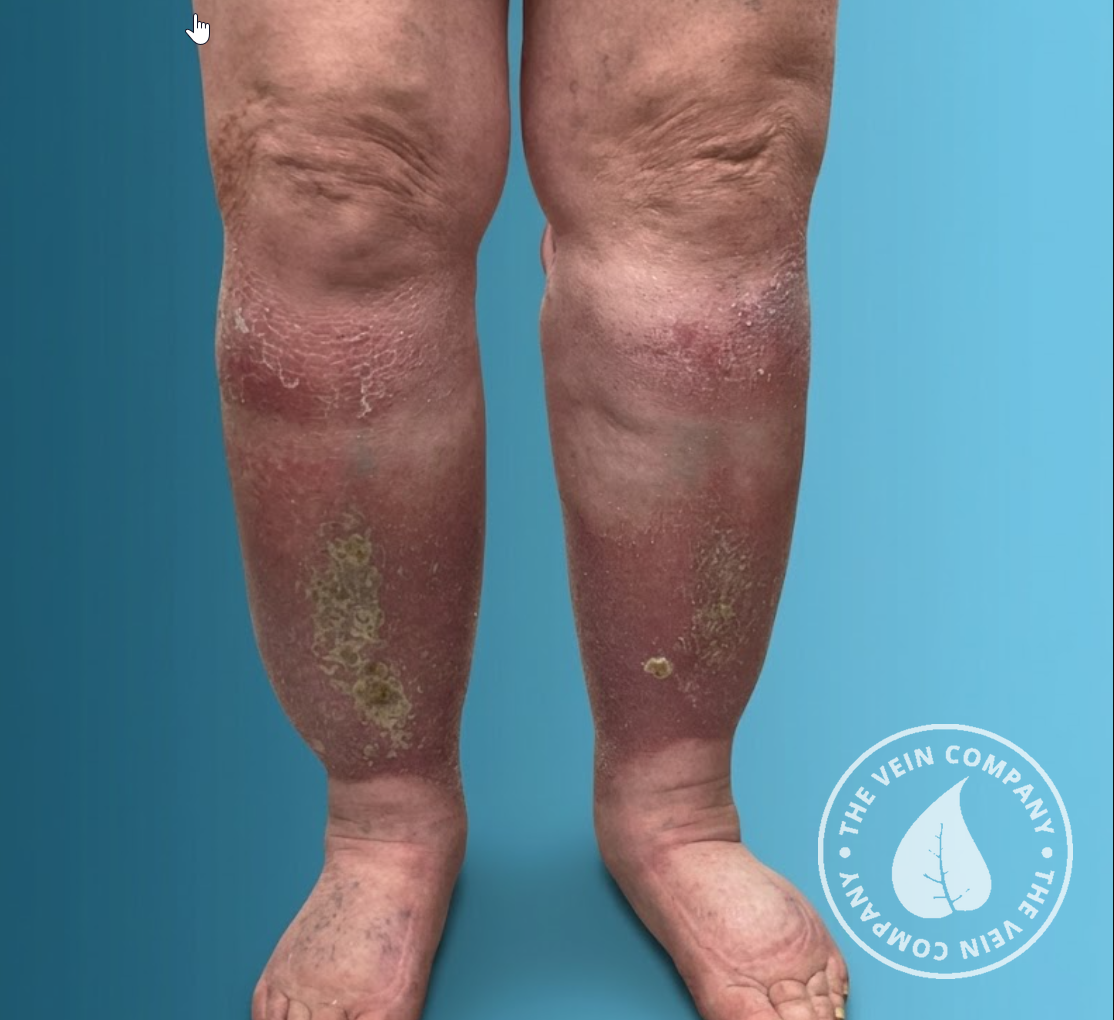
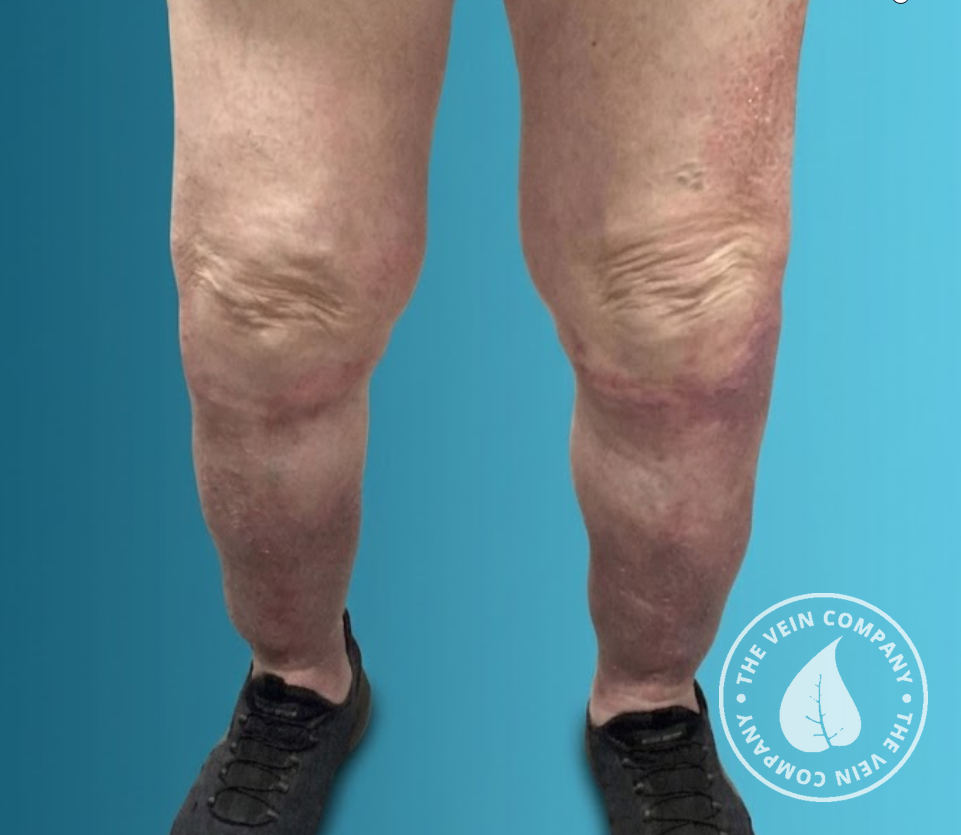
Patient C results with The Vein Company
Contains clinical photography · click image to expand
Individual results vary. Photos shown are from real patients who have given written consent for their images to be used for educational purposes. Treatment outcomes depend on individual health factors, severity of condition, and adherence to follow-up care.
What Is Lymphedema?
Lymphedema is chronic swelling that develops when the lymphatic system — the body's drainage network — is compromised. In the legs, it most often shows up as persistent swelling, heaviness, and skin changes that don't improve with rest or elevation.
Phlebolymphedema is a type of leg swelling that develops when you have both chronic venous insufficiency (vein problems) and lymphedema (lymphatic system problems). The name combines "phlebo" (veins) and "lymphedema" (lymphatic swelling).
Many people don't realize that chronic vein problems are actually one of the most common causes of leg lymphedema. When the valves in your leg veins don't work properly, blood pools in the legs instead of returning to the heart — creating pressure that pushes fluid into surrounding tissues and overwhelms the lymphatic system.
Early evaluation matters. With the right diagnosis, the underlying cause can be identified and an effective treatment plan can reduce or eliminate your symptoms.
Two systems, one problem
Your venous and lymphatic systems work together — if one fails, it can damage the other. That combined condition is phlebolymphedema.
Most cases are treatable
With early diagnosis and a structured plan, most patients see meaningful improvement within weeks of starting treatment.
Often linked to vein disease
Treating the underlying venous insufficiency frequently resolves much of the swelling — which is why both systems need to be evaluated together.
Signs and Symptoms to Watch For
Persistent Swelling
Swelling in your legs, ankles, or feet that may increase when you elevate your legs — and that doesn't improve with rest.
Heaviness & Tightness
A constant feeling of heaviness or tightness in your legs, especially by the end of the day.
Pitting Edema
Skin that shows an indentation when you press on it — an early sign your tissues are holding fluid.
Skin Changes
Skin that becomes thicker, harder, darker, or develops a leathery texture over time.
Night Cramps
Recurring cramps in your lower legs at night that interrupt sleep and don't respond to stretching.
Leg Ulcers & Infections
Open wounds that won't heal, deepening skin folds, or repeated skin infections in the affected area.
Recognize any of these symptoms? An evaluation can identify the underlying cause and outline your treatment options.
Specialized care across East Tennessee and Southwest Virginia
We treat lymphedema and phlebolymphedema at all 8 of our locations.
Treatment Options
Treatment for lymphedema and phlebolymphedema is personalized. Most patients benefit from a combination of the approaches below — and when chronic venous insufficiency is part of the picture, we treat both systems together.
Compression Therapy
Professionally fitted compression garments worn daily, removed at night, and replaced every 3–6 months to help move fluid out of the legs.
Manual Lymphatic Drainage & Pneumatic Compression
Hands-on and device-assisted techniques that stimulate the lymphatic system and move retained fluid out of the affected limb.
Venous Disease Treatment
When veins are part of the cause, minimally invasive options include catheter-based therapy, removal of varicose veins, or injection of veins.
An evaluation at any of our 8 locations is the first step toward a clear diagnosis and a personalized treatment plan that addresses both your venous and lymphatic systems.
Common Questions About Lymphedema
You don't have to live in pain.
Leg discomfort and swelling should not be overlooked or accepted as normal. If you're experiencing persistent leg pain, heaviness, or swelling, the specialists at The Vein Company can help diagnose the issue and guide you toward effective relief.
Free consultation · Most insurance accepted · 8 locations